


Stainless Steel Float Ball Technology Innovations with Yaokangvalve
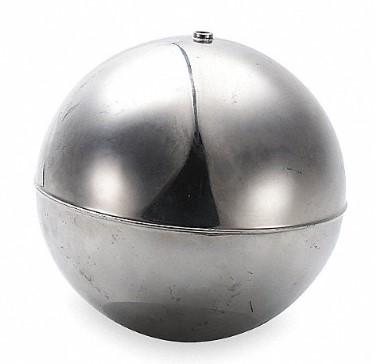
In modern industrial fluid systems, a Stainless Steel Float Ball serves as an essential component for maintaining accurate liquid levels, while a properly designed Stainless Steel Float Ball helps improve operational consistency in demanding environments. From water treatment facilities to chemical processing plants, this compact yet highly effective device contributes to system safety, process efficiency, and long-term equipment reliability.
The Growing Importance of Liquid Level Management
Effective liquid level management is a critical requirement in many industries. Tanks, reservoirs, and process vessels must maintain stable fluid levels to ensure smooth operation and prevent costly disruptions. Floating control mechanisms provide a simple yet reliable method for monitoring and regulating these levels without requiring complex electronic systems.
As industrial automation continues to expand, companies are placing greater emphasis on equipment reliability. A well-designed buoyancy-based control device can help maintain consistent performance while reducing the risk of overflow, pump damage, and operational inefficiencies. Its ability to respond automatically to changing liquid levels makes it an important part of modern process control systems.
Material Quality and Resistance to Harsh Environments
Industrial facilities often expose components to challenging operating conditions. Moisture, chemicals, high temperatures, and pressure fluctuations can gradually degrade materials and reduce equipment performance. For this reason, material selection plays a significant role in ensuring durability and operational stability.
Stainless steel is widely recognized for its excellent corrosion resistance and mechanical strength. Components manufactured from this material can withstand prolonged exposure to aggressive environments while maintaining their structural integrity. In addition, smooth surface finishes help minimize contamination buildup and support reliable movement during continuous operation.
These characteristics make stainless steel an ideal choice for industries that require dependable performance over extended service periods. Proper material selection ultimately contributes to reduced maintenance costs and improved operational efficiency.
Yaokangvalve Stainless Steel Float Ball Manufacturing Expertise
Precision manufacturing is essential for achieving consistent product performance. Yaokangvalve applies strict quality-control procedures throughout the production process to ensure dimensional accuracy and dependable operation. Careful attention to welding quality, surface finishing, and structural balance helps improve overall product reliability.
A floating mechanism must move smoothly and respond accurately to changes in liquid levels. Even minor manufacturing variations can influence performance over time. By maintaining high production standards, manufacturers can create components that operate efficiently in demanding industrial environments while minimizing wear and maintenance requirements.
This focus on quality also supports long-term operational stability, making precision-engineered products valuable assets in modern liquid-control systems.
Installation Considerations for Maximum Efficiency
Proper installation is just as important as product quality. Even the most durable component may fail to deliver optimal results if it is installed incorrectly. Factors such as chamber dimensions, alignment, mounting position, and operating clearances all influence performance.
Engineers should carefully evaluate installation conditions before commissioning a system. Adequate space must be provided to allow unrestricted movement, while alignment should be verified to prevent unnecessary friction. Testing under actual operating conditions can help identify potential issues and ensure smooth system integration.
A well-installed floating control device improves response accuracy, reduces mechanical stress, and enhances overall process reliability. These benefits contribute directly to lower maintenance expenses and increased operational productivity.
Future Development Trends in Industrial Fluid Control
The industrial sector continues to evolve as manufacturers seek more efficient and reliable technologies. Future developments in liquid-level management are expected to focus on improving durability, precision, and operational intelligence. Advanced manufacturing techniques may further enhance product consistency and extend service life.
At the same time, digital monitoring technologies are becoming increasingly common. Combining traditional mechanical reliability with modern monitoring capabilities may provide operators with real-time performance insights and predictive maintenance opportunities. Such innovations can help reduce downtime and improve overall system efficiency.As industries continue to pursue higher standards of safety and productivity, precision-engineered floating components will remain essential elements of advanced fluid-control systems. For additional product information and technical resources, visit https://www.yaokangvalve.com .
 Turkish
 English
 Arabic
 French
 Spanish
 Portuguese
 Deutsch
 Dutch
Dutch
 Italiano
 Russian
 Romaian
 Portuguese (Brazil)
 Greek
Greek