


How to Prepare for a Successful Trade Show Booth Installation in Las Vegas
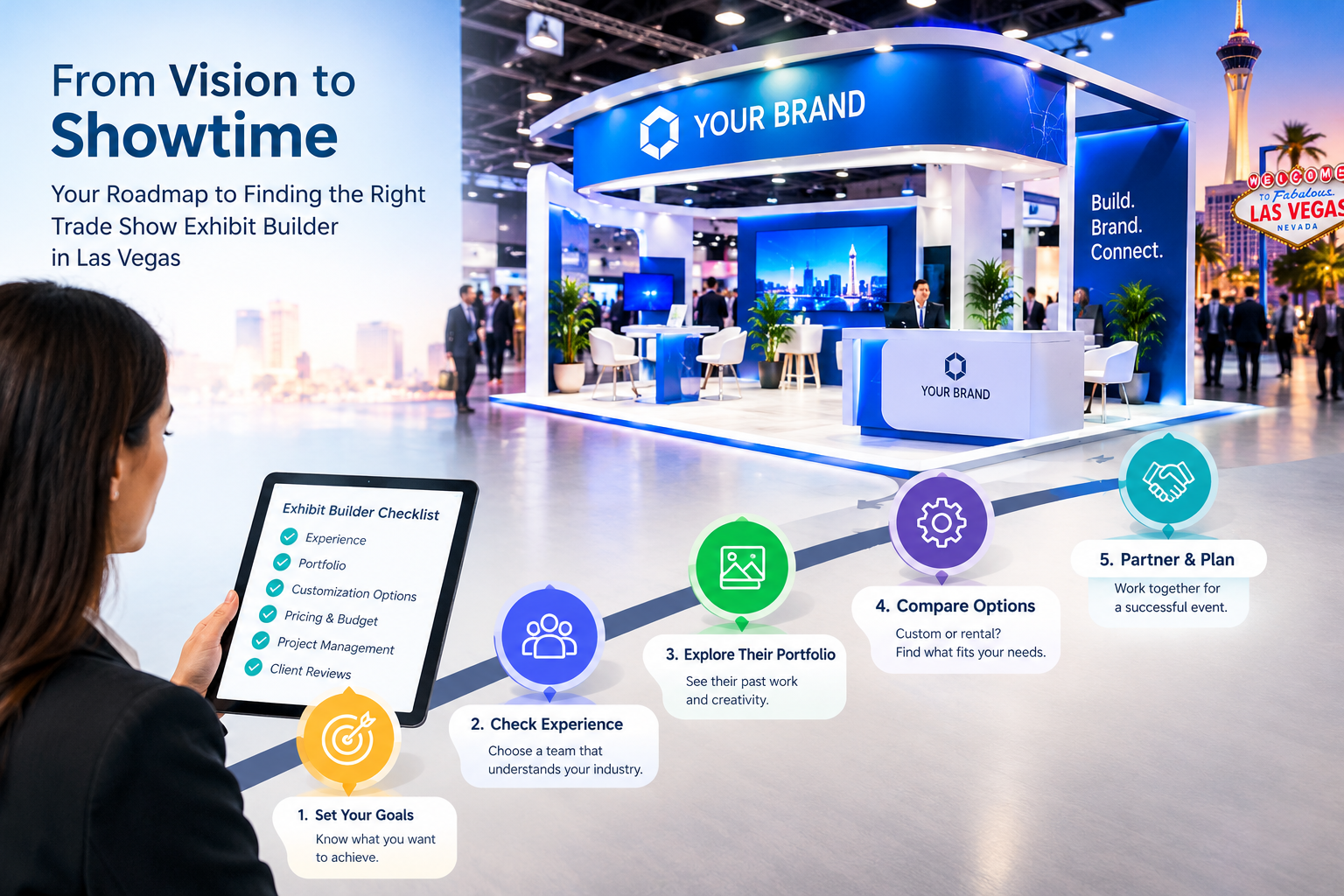
Preparing for a trade show requires careful planning, coordination, and attention to detail, especially when exhibiting in a competitive market like Las Vegas. From managing transportation to coordinating installation schedules, every step can influence the success of your exhibit. Working with experienced Las Vegas trade show booth builders helps businesses streamline the installation process, avoid common mistakes, and create a professional booth that attracts visitors. With the right preparation, exhibitors can focus on connecting with potential customers instead of worrying about last-minute setup challenges.
Why Trade Show Booth Installation Planning Matters
Trade show installation involves much more than assembling walls and placing graphics. Exhibitors must coordinate booth components, electrical requirements, lighting, furniture, technology, and branding materials while following the event organizer's rules.
Las Vegas hosts major exhibitions across industries, attracting businesses and attendees from around the world. Venues such as the Las Vegas Convention Center and Mandalay Bay Convention Center can have strict move-in schedules and logistical requirements. Delays during installation may affect the booth's appearance, staff preparation, and overall event experience.
A structured installation plan helps businesses:
-
Complete booth setup within the assigned timeframe.
-
Reduce unexpected labor and transportation expenses.
-
Ensure graphics and branding are installed correctly.
-
Test lighting, screens, and interactive equipment.
-
Maintain compliance with venue regulations.
-
Prepare staff before the exhibition opens.
-
Create a positive first impression for visitors.
Starting early gives your team more time to address challenges before they affect the event.
1. Define Your Trade Show Objectives
Before planning the installation, determine what your business wants to achieve at the exhibition. Clear objectives help guide decisions about booth size, layout, equipment, and visitor engagement features.
Common trade show objectives include generating qualified leads, launching products, increasing brand awareness, scheduling sales meetings, and building relationships with industry professionals.
For example, a business focused on lead generation may need an open layout, product demonstration stations, and a comfortable area for conversations. A company launching a new product may prioritize display counters, video screens, and dedicated demonstration space.
Your objectives should influence the installation checklist. If demonstrations are essential, ensure the required equipment, electrical connections, and presentation materials are ready before the event begins.
Establish measurable goals, such as the number of leads to collect, meetings to schedule, or demonstrations to conduct. These targets help your team evaluate whether the booth design supports its intended purpose.
2. Choose the Right Booth Builder Early
Selecting a qualified booth-building partner is one of the most important steps in preparing for a successful exhibition. Experienced professionals can coordinate design, production, transportation, installation, and dismantling according to the event schedule.
When evaluating potential partners, consider the following factors:
Trade show experience: Look for a team familiar with exhibitions in Las Vegas and the requirements of major convention venues.
Design capabilities: Review previous projects to determine whether the company can create a booth that reflects your brand and business objectives.
Project management: Ask how the team manages deadlines, approvals, shipping, and communication.
Installation support: Confirm who will handle assembly, technical setup, final inspections, and dismantling.
Budget transparency: Request a detailed proposal that explains the services included and identifies potential additional expenses.
Contingency planning: Discuss how the team handles delayed shipments, damaged components, missing graphics, or unexpected venue restrictions.
A dependable partner should provide a clear project timeline and explain what your company needs to supply before installation day.
3. Develop a Detailed Installation Timeline
A realistic timeline helps prevent rushed decisions and costly mistakes. Rather than treating installation as a single activity, divide the project into manageable stages.
Several weeks before the exhibition
-
Finalize booth dimensions and layout.
-
Approve design concepts, colors, and graphics.
-
Confirm venue requirements and installation deadlines.
-
Arrange transportation and delivery schedules.
-
Order furniture, displays, and promotional materials.
-
Identify electrical, internet, and audiovisual requirements.
One to two weeks before the event
-
Confirm that booth components are ready for shipment.
-
Review the installation checklist with your builder.
-
Verify graphics, product samples, and marketing materials.
-
Confirm staff travel and accommodation arrangements.
-
Prepare backup copies of important digital presentations.
-
Review emergency contacts and delivery information.
During installation
-
Check the delivered components against the inventory.
-
Inspect the booth structure and printed graphics.
-
Confirm that furniture and equipment are positioned correctly.
-
Test lighting, screens, internet access, and demonstrations.
-
Walk through the booth to identify safety or accessibility concerns.
Before the show opens
-
Clean the booth and remove packaging materials.
-
Arrange brochures, samples, and promotional items.
-
Brief staff on visitor engagement and lead collection.
-
Test all demonstration equipment again.
-
Complete a final inspection against your objectives.
Share this schedule with everyone involved so each person understands their responsibilities and deadlines.
4. Understand Venue Rules and Exhibitor Requirements
Every trade show may have specific regulations covering booth height, hanging signs, electrical equipment, fire safety, material handling, and installation access. Ignoring these requirements can cause delays or require expensive last-minute changes.
Before installation, review the exhibitor manual provided by the event organizer. Pay particular attention to:
-
Move-in and move-out hours.
-
Booth height and construction restrictions.
-
Electrical and internet ordering procedures.
-
Rigging and suspended signage requirements.
-
Fire-resistant materials and safety standards.
-
Freight delivery and material-handling procedures.
-
Contractor registration and labor rules.
-
Accessibility and emergency exit requirements.
If your booth includes overhead structures, large displays, suspended elements, or specialized equipment, confirm whether advance approval is necessary.
Ask your booth builder to review the venue documentation with you. Their familiarity with trade show logistics can help identify potential issues before materials arrive at the exhibition hall.
5. Prepare Graphics and Branding Materials in Advance
Graphics are among the most visible elements of a trade show booth. Incorrect dimensions, low-resolution images, inconsistent colors, or poorly positioned messaging can weaken the entire presentation.
Begin by confirming the final booth dimensions and obtaining the correct production specifications. Artwork should be prepared according to the printer's requirements, including resolution, bleed, file format, and color settings.
Keep your branding simple and consistent. Visitors often make quick decisions about which booths deserve their attention, so your main message should be easy to understand from a distance.
Effective booth graphics typically include:
-
A clearly visible company name or logo.
-
A concise statement explaining what the business offers.
-
High-quality product or service imagery.
-
A small number of compelling benefits.
-
A clear call to action.
-
Website or contact information where appropriate.
Avoid filling every available surface with text. A clean visual hierarchy helps visitors understand your offering without feeling overwhelmed.
Before shipment, request a proof of the graphics and verify spelling, colors, dimensions, and placement. If possible, inspect samples or use digital mockups to confirm how the finished design will appear within the booth.
6. Organize Transportation and Booth Component Inventory
Trade show materials may include structural frames, counters, product displays, monitors, furniture, lighting, printed graphics, and promotional supplies. Missing even one important component can disrupt installation.
Create a complete inventory that lists every item required for the booth. Include quantities, dimensions, packaging details, and any special handling instructions.
For valuable or delicate equipment, document its condition before shipment and after delivery. Keep essential contact details and shipment information accessible to the project manager.
Your logistics checklist should cover:
-
Pickup and delivery dates.
-
Freight carrier details.
-
Delivery instructions for the venue.
-
Shipping labels and package identification.
-
Tracking information.
-
Backup copies of inventory records.
-
Storage arrangements for empty packaging.
-
Return shipping plans after the exhibition.
Coordinate the delivery schedule with your booth builder and the event's material-handling provider. Avoid assuming that materials can be delivered directly to the booth without following the venue's designated procedures.
A well-organized inventory also makes dismantling easier because the team can verify that all components are accounted for before returning them to storage.
7. Plan Electrical, Lighting, and Technology Requirements
Modern trade show exhibits often rely on technology to communicate with visitors. Screens, tablets, product demonstrations, lighting systems, and interactive displays can improve engagement, but they require careful preparation.
Start by listing every electrical device and its power requirements. Confirm outlet locations, cable routing, internet availability, and any venue-specific service orders.
For audiovisual equipment, check that screens have the correct connections and that presentations play properly. If your booth uses software or cloud-based demonstrations, verify internet access and prepare an offline alternative when practical.
Lighting deserves particular attention. Focused lighting can highlight products, improve the visibility of graphics, and create a welcoming environment. However, poorly positioned fixtures can cause glare or make screens difficult to view.
Before the show opens:
-
Turn on every display and lighting fixture.
-
Test all cables, adapters, and power connections.
-
Confirm that demonstration devices are charged.
-
Check audio levels where sound is permitted.
-
Test internet-dependent applications.
-
Keep spare batteries and essential adapters available.
-
Make sure cables do not create trip hazards.
A technology checklist reduces the likelihood of equipment problems interrupting important visitor conversations.
8. Design the Booth for Visitor Movement
Installation is the stage when a design becomes a real visitor experience. Even a visually attractive booth can perform poorly if visitors cannot navigate it comfortably.
Plan the layout around natural movement. Keep entrances open, avoid unnecessary obstacles, and position major displays where they can be seen from the aisle.
Different areas can serve different purposes:
Welcome area: Gives visitors a clear starting point and allows staff to greet attendees.
Product demonstration area: Provides space to explain features and show products in action.
Conversation area: Supports meaningful discussions with prospects without blocking the main walkway.
Lead capture point: Allows staff to record contact details and next steps efficiently.
Storage area: Keeps personal belongings, extra supplies, and packaging out of sight.
Make sure the booth is accessible and that visitors can approach displays without difficulty. Staff should have enough room to move naturally without crowding entrances or blocking product demonstrations.
During the final walkthrough, approach the booth from the aisle and consider what a first-time visitor would notice. The primary message and most important product should be easy to identify.
9. Prepare Staff Before the Exhibition Opens
A successful installation does not end when the booth is assembled. Your team must be ready to use the space effectively.
Conduct a short briefing before the exhibition opens. Explain the booth layout, demonstration process, lead collection procedure, and responsibilities assigned to each staff member.
Staff should know:
-
The company's main trade show objectives.
-
The key products and services being promoted.
-
The primary message communicated by the booth.
-
How to qualify potential customers.
-
How to record and follow up on leads.
-
Where to find brochures and product samples.
-
Who to contact if technical problems arise.
Practice common conversations and product demonstrations before the event. This helps employees communicate confidently and maintain a consistent brand message.
Also establish guidelines for breaks, team coverage, and lead handovers. A well-prepared team ensures that visitors receive attention even during busy periods.
10. Conduct a Final Booth Inspection
A final inspection gives your team an opportunity to identify problems before attendees arrive. Do not rely solely on the installation crew's completion confirmation.
Walk through the booth with a checklist and review each component systematically.
Inspect the structure for visible damage or instability. Check that graphics are aligned, counters are clean, furniture is correctly positioned, and product displays are secure.
Test every screen, lighting fixture, interactive element, and demonstration device. Confirm that brochures, business cards, samples, and promotional materials are available.
Review safety and accessibility as well. Remove loose cables, packaging, and other obstacles. Keep emergency exits and required access routes clear.
Finally, compare the completed booth with the approved design. If something differs from the plan, determine whether it affects visibility, functionality, safety, or branding.
Photograph the finished booth for internal documentation. These images can help your marketing team prepare content and provide a useful record for future exhibitions.
11. Prepare for Unexpected Installation Challenges
Even with careful planning, unexpected issues can arise. Shipments may be delayed, graphics may arrive damaged, equipment may malfunction, or installation may take longer than expected.
Contingency planning helps your team respond without losing focus.
Consider preparing:
-
Digital copies of all essential graphics and presentations.
-
Spare cables, adapters, batteries, and basic tools where permitted.
-
Backup product images or demonstration videos.
-
Contact information for the builder, venue, and freight provider.
-
A small reserve for unforeseen expenses.
-
Alternative ways to collect leads if technology fails.
Assign one person to coordinate decisions and communicate updates. Clear responsibility prevents confusion when several suppliers or team members are involved.
If a problem occurs, prioritize safety and the essential elements of the booth. A functioning display with clear messaging is generally more useful than a complicated feature that cannot be operated reliably.
12. Coordinate Dismantling and Post-Show Logistics
The installation plan should also account for what happens after the exhibition closes. Dismantling often operates under strict deadlines, and failing to plan it can lead to additional labor or material-handling costs.
Before the show begins, confirm the dismantling schedule, return shipping arrangements, and responsibility for packing each component.
During teardown, check the inventory and document any damage. Separate reusable booth components from disposable materials and ensure that rented equipment is handled according to the supplier's instructions.
After the event, review the booth's performance with your team. Consider visitor traffic, qualified leads, product demonstrations, technical issues, and feedback from staff.
These insights can help improve future exhibit layouts and installation procedures.
Benefits of Working with Professional Booth Builders in Las Vegas
Professional booth builders can provide valuable support throughout the exhibition process. Their services may include design development, graphic production, logistics coordination, installation, technical setup, and dismantling.
The right partner can help your business:
-
Save time: Coordinated project management reduces the burden on your internal team.
-
Maintain consistency: Professional production helps align the finished exhibit with your approved design.
-
Reduce logistical risks: Advance planning helps identify potential delivery and installation problems.
-
Improve visitor experience: Thoughtful layouts make products and messaging easier to discover.
-
Manage budgets: Clear planning helps identify costs and minimize avoidable changes.
-
Focus on business goals: Your staff can spend more time preparing for customer conversations and less time managing setup details.
When comparing providers, ask for a detailed scope of work. Confirm whether design, production, shipping, installation labor, electrical services, dismantling, and storage are included or billed separately.
Reviewing these details early helps you choose a partner whose services and communication style match your project requirements.
Conclusion
Successful trade show booth installation in Las Vegas depends on preparation, coordination, and attention to detail. By setting clear objectives, developing a realistic timeline, confirming venue requirements, organizing logistics, testing technology, and preparing your staff, you can reduce installation challenges and create a welcoming exhibit for visitors. A reliable booth-building partner can also help manage the practical details, allowing your team to concentrate on lead generation, product demonstrations, and meaningful business relationships. For expert support with booth planning and exhibition logistics, explore Las Vegas trade show booth builders and prepare your next Las Vegas trade show exhibit with confidence.
 Portuguese (Brazil)
 English
 Arabic
 French
 Spanish
 Portuguese
 Deutsch
 Turkish
 Dutch
 Italiano
 Russian
 Romaian
 Greek