


Best Flight Training Schools in India for Pilot Careers
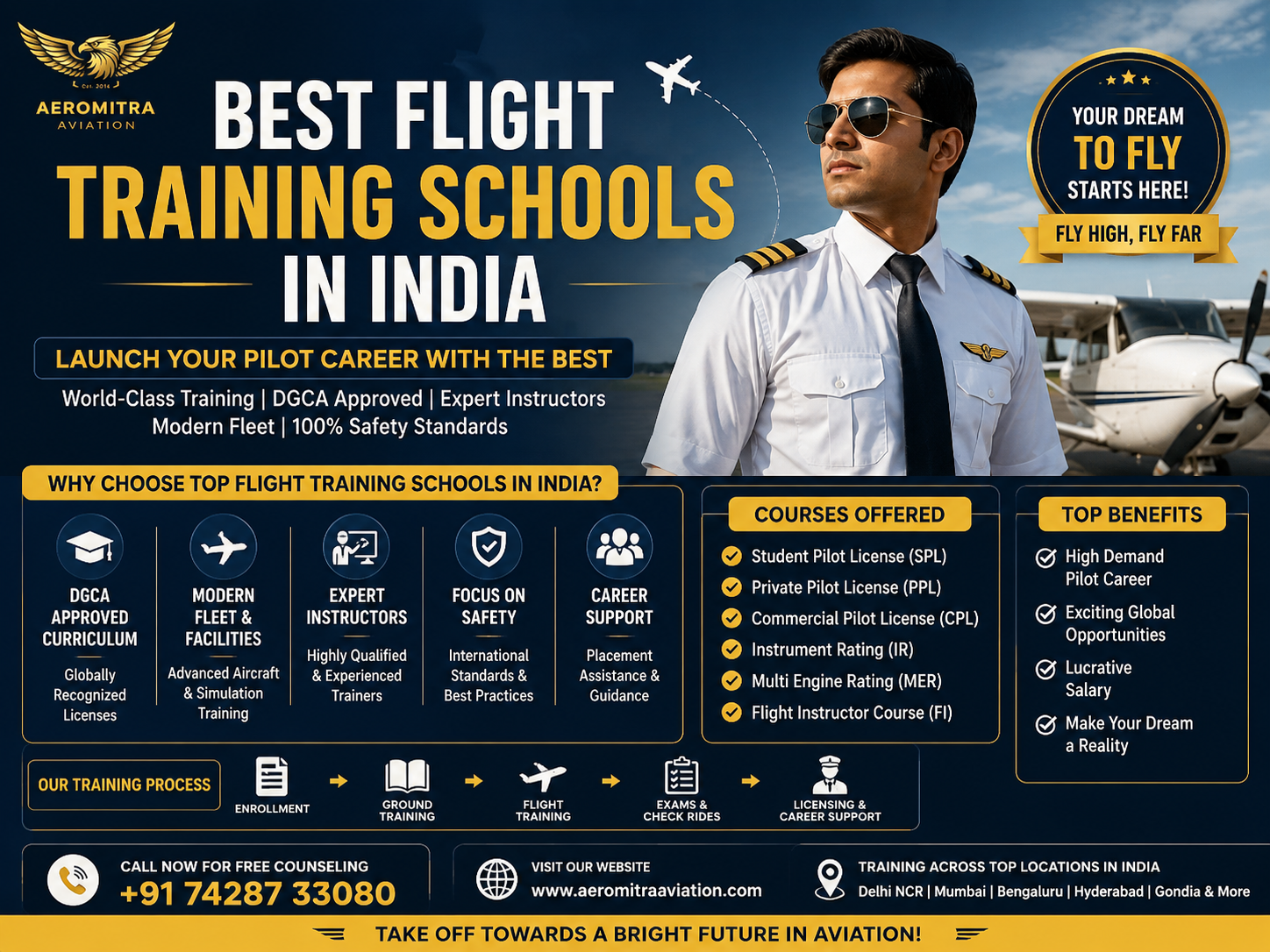
The aviation industry in India is expanding at an impressive pace, creating excellent opportunities for aspiring pilots. Every year, thousands of students enroll in flight training schools in india to turn their dream of flying into a successful career. Choosing the right training institute is one of the most important decisions for future pilots because quality education, experienced instructors, and proper flight training play a major role in long-term success.
A professional flight training school helps students develop strong technical knowledge, practical flying skills, and the confidence needed to operate aircraft safely and efficiently.
Why Flight Training Is Important for Pilot Careers
Becoming a commercial pilot requires more than just learning how to fly an aircraft. Pilots must understand aviation regulations, aircraft systems, navigation procedures, meteorology, and flight safety practices. Professional flight training programs combine classroom learning with practical flying experience to prepare students for real world aviation challenges.
A structured training environment helps students build discipline, decision-making abilities, communication skills, and situational awareness. These qualities are essential for handling various situations in the aviation industry and maintaining high safety standards during flight operations.
Flight training schools focus on developing both theoretical knowledge and practical expertise, ensuring students are fully prepared for licensing examinations and future airline careers.
Features of the Best Flight Training Schools in India
When selecting a flight training institute, students should look for certain important features that contribute to quality aviation education.
Experienced Instructors
Qualified instructors play a crucial role in shaping a student's aviation career. Their practical experience and industry knowledge help students understand complex aviation concepts more effectively.
Modern Training Facilities
The best aviation schools provide modern classrooms, flight simulators, updated study materials, and well maintained aircraft to support learning and skill development.
Structured Curriculum
A well designed curriculum covers all important aviation subjects and prepares students thoroughly for licensing examinations and flight operations.
Safety Standards
Safety should always be a top priority. Reputed flight schools follow strict maintenance procedures, operational guidelines, and training standards to ensure student safety.
Student Support
Professional institutes provide mentorship, doubt clearing sessions, academic support, and career guidance to help students succeed throughout their training journey.
Ground Training: The Foundation of Aviation Success
Before entering the cockpit, students must develop a strong understanding of aviation theory. Ground training forms the foundation of pilot education and helps students understand how aircraft operate.
Important subjects covered during ground training include:
-
Air Navigation
-
Aviation Meteorology
-
Air Regulations
-
Technical General
-
Aircraft Systems
-
Flight Planning
-
Aviation Safety
Strong theoretical knowledge helps students perform better during flight training and improves their understanding of aviation operations.
Many aspiring pilots also enroll in CPL Ground Classes in Nagpur to strengthen their preparation for DGCA examinations and build a solid academic foundation before beginning practical flight training.
Understanding Commercial Pilot License Training
Commercial Pilot License (CPL) training is designed for students who wish to pursue professional careers in aviation. CPL programs include both classroom instruction and flight training hours required by aviation authorities.
Students learn how to:
-
Operate aircraft safely
-
Perform flight planning
-
Handle navigation procedures
-
Understand weather conditions
-
Communicate with air traffic control
-
Respond to emergency situations
The combination of theoretical and practical training helps students become competent and confident pilots capable of handling professional aviation responsibilities.
Choosing the Right Flight Training School
Selecting the right training institute can significantly influence a student's aviation career. Several factors should be evaluated before making a decision.
Training Quality
Students should research the institute’s reputation, training methodology, and student success rates.
Aircraft Fleet
A well maintained and modern aircraft fleet improves learning quality and provides better flight experience.
Instructor Experience
Experienced instructors offer valuable practical insights that help students understand real aviation operations.
Training Environment
A disciplined and professional learning environment helps students remain focused and motivated throughout their training.
Career Guidance
Institutes that provide career counseling and aviation industry exposure can help students make informed career decisions.
Choosing the right training school lays the foundation for long-term success in aviation.
Cheapest Place to Get Private Pilot License
Many aspiring pilots begin their aviation journey by searching for the cheapest place to get private pilot license. While affordability is an important consideration, students should never compromise on training quality or safety standards.
The cost of obtaining a Private Pilot License may vary depending on several factors:
-
Aircraft operating costs
-
Flying hours required
-
Instructor fees
-
Airport charges
-
Fuel expenses
-
Training infrastructure
Instead of focusing solely on lower costs, students should evaluate the overall value offered by a training program. Quality education, experienced instructors, and professional training environments contribute significantly to long-term career success.
A strong aviation foundation often provides greater benefits than selecting a program based only on affordability.
Skills Developed Through Flight Training
Flight training develops a wide range of professional and personal skills that are valuable throughout a pilot’s career.
Communication Skills
Pilots communicate regularly with air traffic controllers, crew members, and passengers. Effective communication is critical for safe flight operations.
Decision-Making Abilities
Pilots must make quick and accurate decisions in changing conditions. Training improves analytical thinking and judgment skills.
Discipline and Responsibility
Aviation demands strict adherence to procedures and regulations. Students develop professionalism and accountability throughout their training.
Technical Knowledge
Understanding aircraft systems, navigation procedures, and weather conditions helps pilots operate aircraft safely and efficiently.
Leadership Skills
Pilots often lead flight operations and coordinate with crew members, making leadership an important aspect of aviation training.
Career Opportunities After Flight Training
Graduates from professional flight training schools in india can explore a wide variety of aviation career opportunities.
Potential career paths include:
-
Commercial Airline Pilot
-
Charter Pilot
-
Cargo Pilot
-
Corporate Pilot
-
Flight Instructor
-
Aviation Operations Executive
-
Aviation Safety Officer
India's aviation sector continues expanding rapidly, increasing demand for trained and qualified pilots across multiple segments of the industry.
As airlines add new routes and aircraft, career opportunities for aviation professionals are expected to grow further in the coming years.
The Future of Aviation in India
India is one of the fastest-growing aviation markets in the world. Increasing passenger traffic, airport development projects, and airline expansion plans are creating strong demand for aviation professionals.
Government initiatives supporting aviation infrastructure and regional connectivity are also contributing to industry growth. These developments make aviation an attractive and rewarding career option for students interested in flying.
The future looks promising for aspiring pilots who receive quality training and remain committed to professional excellence.
Tips for Success in Pilot Training
Students can improve their chances of success by following a few important principles:
-
Attend classes regularly.
-
Practice consistently.
-
Focus on understanding concepts.
-
Maintain discipline and professionalism.
-
Participate actively in training sessions.
-
Stay updated on aviation developments.
-
Take mock examinations seriously.
-
Seek guidance from experienced instructors.
These habits help students perform better during training and prepare effectively for aviation careers.
Choosing the best flight training schools in india is a crucial step toward building a successful pilot career. A quality training institute provides strong theoretical education, professional flight instruction, experienced mentors, and a safe learning environment that prepares students for the challenges of the aviation industry.
Whether students are exploring the cheapest place to get private pilot license or strengthening their knowledge through CPL Ground Classes in Nagpur, investing in professional aviation training is essential for long-term success.
With dedication, proper guidance, and high-quality education, aspiring pilots can confidently pursue their dreams and build rewarding careers in the rapidly growing aviation industry.
 Spanish
 English
 Arabic
 French
 Portuguese
 Deutsch
 Turkish
 Dutch
Dutch
 Italiano
 Russian
 Romaian
 Portuguese (Brazil)
 Greek
Greek