


National Research Nuclear University MEPhI: Medical Physics Education and Career Opportunities
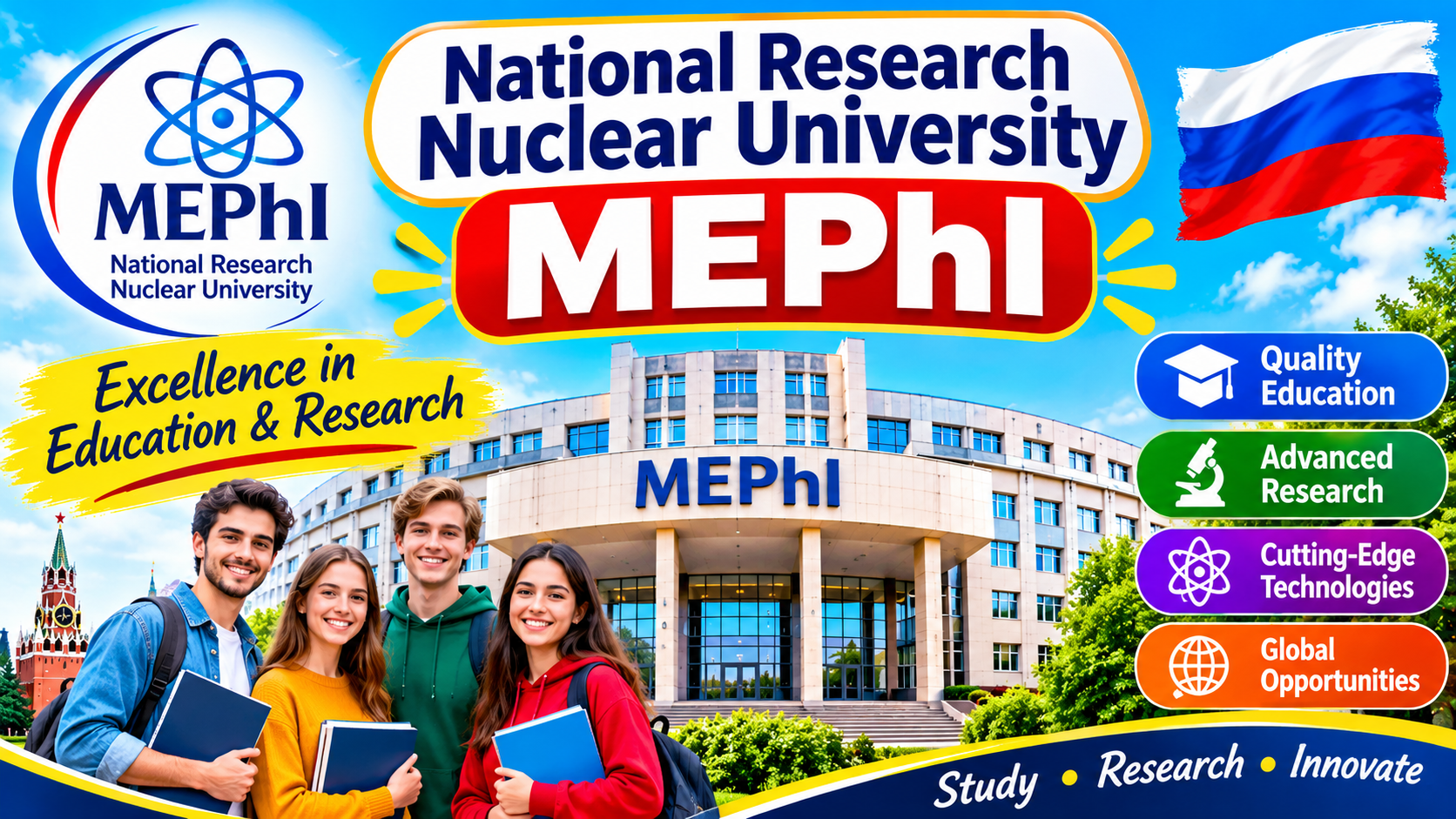
National Research Nuclear University MEPhI provides an academic environment where physics, engineering, and biomedical sciences come together. Medical physics is an important discipline that applies scientific principles to healthcare, particularly in medical imaging, radiation therapy, and nuclear medicine. Students interested in combining technology with healthcare can explore this field to understand how physics contributes to modern medical practices.
1. Understanding Medical Physics
Medical physics connects the principles of physics with medical diagnosis and treatment. It focuses on the safe and effective use of radiation, imaging equipment, and advanced technologies in healthcare institutions.
At National Research Nuclear University MEPhI, biomedical education and research are associated with the Institute of Physics and Engineering in Biomedicine. This academic area connects physics, engineering, and medical applications, helping students understand the scientific foundations of healthcare technology.
Medical physics is particularly relevant in hospitals, diagnostic centres, research laboratories, and specialised medical institutions. It also contributes to the development of advanced equipment used for identifying and treating different medical conditions.
2. Academic Programmes and Learning Areas
Students exploring Medical Physics Education can review the university's programmes related to medical physics and biomedical technologies. MEPhI has offered specialised academic programmes in areas such as medical physics, radiation diagnostics and therapy, and nuclear medicine.
Important subjects in this field may include:
-
Fundamentals of medical physics
-
Radiation physics and dosimetry
-
Medical imaging technologies
-
Nuclear medicine principles
-
Radiation protection and safety
-
Biomedical instrumentation
-
Computer applications in medical science
These subjects help students understand the relationship between scientific theories and their practical applications. Applicants should check the latest official curriculum because programme availability, course structure, and teaching language can change.
3. Practical Training and Research Opportunities
Practical knowledge plays an important role in medical physics. Students need to understand how medical equipment works, how radiation is measured, and how scientific methods are applied in healthcare settings.
National Research Nuclear University MEPhI has a research-oriented academic environment that includes biomedical and physics-related activities. Depending on the programme, students may gain exposure to laboratory studies, technical projects, scientific experiments, and specialised research.
Such academic activities can help students develop analytical thinking, technical knowledge, and problem-solving abilities. These skills are useful for understanding complex medical technologies and supporting future research work.
4. Role of Nuclear Medicine in Modern Healthcare
Nuclear medicine is an important application of physics in modern healthcare. It uses radioactive substances and specialised imaging techniques to help diagnose and manage certain diseases.
Medical physics professionals contribute to radiation measurement, equipment quality assurance, dose calculations, and radiation protection. Their work supports the safe and accurate use of medical technologies.
At National Research Nuclear University MEPhI, students interested in nuclear medicine can explore the scientific relationship between radiation, imaging, and biomedical applications. This area is particularly relevant for those who want to understand the technology behind modern diagnostic and therapeutic procedures.
5. Career Opportunities After Medical Physics Studies
Completing Medical Physics Education can help students explore different professional directions, depending on their qualifications and practical experience.
Some possible career opportunities include:
-
Medical Physicist: Works with radiation-based medical technologies and treatment planning.
-
Radiation Safety Specialist: Supports radiation monitoring and protection procedures.
-
Medical Imaging Professional: Develops technical knowledge of diagnostic imaging systems.
-
Nuclear Medicine Researcher: Participates in research related to radioactive materials and medical applications.
-
Biomedical Researcher: Works on projects involving medical equipment and healthcare technologies.
Some clinical positions require additional training, certification, or professional registration. Students should understand the licensing requirements of the country where they plan to work.
6. Why Explore MEPhI for Medical Physics?
National Research Nuclear University MEPhI is associated with education and research in physics, nuclear science, engineering, and biomedical applications. Its interdisciplinary academic environment makes it relevant for students interested in the scientific side of modern healthcare.
Before applying, students should review the programme's eligibility criteria, tuition fees, language of instruction, curriculum, and practical training opportunities. International applicants should also confirm document requirements and whether their previous academic qualifications meet the admission standards.
Conclusion
Medical physics is a specialised field that combines scientific knowledge with healthcare technology. It offers learning opportunities in medical imaging, radiation safety, nuclear medicine, and biomedical research. Choosing Medical Physics Education can be a useful step for students interested in these areas. A careful review of academic programmes, practical learning opportunities, and professional requirements will help students make an informed decision about their future.
 Romaian
 English
 Arabic
 French
 Spanish
 Portuguese
 Deutsch
 Turkish
 Dutch
 Italiano
 Russian
 Portuguese (Brazil)
 Greek