


Understanding Commercial Vehicle Inspection Levels and Their Safety Requirements
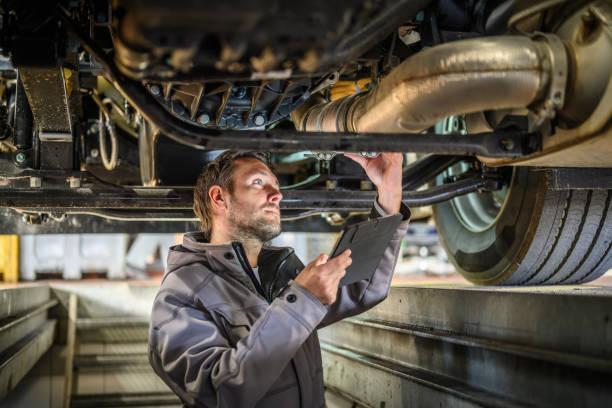
Ensuring commercial trucks are safe and roadworthy is not only about tire inspection and oil changes. Fleet operators also have to ensure compliance with the inspection requirements and educate their drivers on what inspectors check during roadside inspections. The failure to pass an inspection can result in repair bills, delays, and even trucks being taken out of commission. Understanding the various inspection types can be helpful to the owner-operator when preparing the truck and its documentation. Getting a DOT inspection service in Austin may be beneficial for fleets to prevent any problems from interfering with their activities.
Why Commercial Vehicle Inspections Matter
Inspections of commercial vehicles assist in detecting safety issues that can jeopardize the safety of the driver, the cargo, and other road users. Depending on the type of inspection being carried out, the inspector may look at driver credentials, hours-of-service, brakes, tires, steering, lights, and other critical components.
For fleet managers, commercial vehicle inspections provide an opportunity to check their maintenance practices. Although a worn brake part or a defective light may appear insignificant, it can be a safety hazard and require an unplanned repair.
Understanding the Different Commercial Vehicle Inspection Levels
Level I is a thorough inspection involving both the driver and the vehicle. The inspection involves a thorough check of the documents that the driver is supposed to have and the safety features of the vehicle.
The following items may be inspected:
● Driver’s license and medical certificate where applicable.
● Hours of service and duty status documents where applicable.
● Seat belt usage and vehicle inspection documents where applicable.
● Brakes, tires, wheels, and lighting systems.
● Steering, suspension, and driveline components.
● Cargo securement, coupling devices, and exhaust systems.
● Frame, fuel system, and trailer body components where applicable.
This inspection involves checking components, including underneath the vehicle. Fleet operators find it easy when they keep their maintenance records up-to-date and ensure that the drivers have the necessary documents.
Level II: Walk-Around Driver and Vehicle Inspection
A level two inspection includes many of the same items as the level one inspection but concentrates on items that usually can be done without actually going under the vehicle.
This includes checking for driver qualifications, duty status, lights, tires, brakes, cargo securement, and other safety items.
Even though it is an exterior inspection, it should not be considered a casual check that takes no preparation. Cargo that is loose, broken, or faulty lights, defective tires, and other visible mechanical failures can cause problems.
Drivers must conduct their pre-trip inspection prior to beginning their trip.
Level III: Driver and Credential Inspection
Level III involves the driver and administration instead of an in-depth inspection of the vehicle.
According to the applicable criteria, the inspectors may check the driver’s license, medical certification, hours-of-service requirements, seatbelt usage, vehicle inspection reports, and carrier identity or status.
The fleet manager can prepare for the inspection by making sure that the drivers know which documentation should be prepared and how to keep proper records. Lack of documentation or inaccurate duty status can be problematic even if the truck is in perfect condition.
Level IV: Special Inspection
Level IV typically involves a one-time examination of a particular item. It may be conducted to support a safety study or investigate a suspected problem or trend.
For example, an inspection may focus on a specific component or safety concern rather than covering the entire vehicle.
The items examined depend on the purpose of the inspection. Fleet operators should follow any applicable instructions and address identified problems promptly.
Level V: Vehicle-Only Inspection
Level V covers the vehicle inspection items included in Level I, but the driver does not need to be present. It can be conducted at different locations, including a carrier's terminal.
This level is particularly relevant to fleet maintenance because vehicles can be inspected while they are parked or undergoing scheduled checks.
Keeping trucks and trailers in good condition throughout the year can help maintenance teams identify problems before the next delivery run.
Level VI: Inspection for Certain Radioactive Material Shipments
Level VI applies to specific shipments involving transuranic waste and highway route-controlled quantities of radioactive material.
It includes enhanced inspection procedures and applicable radiological safety requirements. This level is intended for specialized transportation operations rather than ordinary freight shipments.
Carriers handling these materials must follow the requirements applicable to their loads and operations.
Level VII: Jurisdiction-Specific Inspection
Level VII covers commercial vehicle inspection programs required by a particular jurisdiction that do not fall under the other defined inspection levels.
Examples may include certain school buses, taxis, limousines, and other regulated passenger or intrastate operations.
The specific requirements depend on the jurisdiction and the type of vehicle or service involved.
Level VIII: Electronic Inspection
Level VIII is an electronic inspection conducted wirelessly or electronically while a commercial vehicle is moving, without direct interaction with an enforcement officer.
Depending on the applicable requirements, electronic checks can include driver identification, license status, hours-of-service information, vehicle registration, operating authority, and other compliance data.
Electronic inspection does not eliminate the need for physical vehicle maintenance. Fleet operators must still make sure their trucks meet applicable safety standards.
Common Problems That Can Lead to Inspection Issues
Many inspection problems can be reduced through routine maintenance and better preparation. Common issues include:
● Burned-out headlights, brake lights, or turn signals.
● Worn tires or visible tire damage.
● Brake defects and air system leaks.
● Damaged suspension components.
● Loose or improperly secured cargo.
● Missing or incomplete driver documentation.
● Mechanical defects that were reported but not repaired.
A consistent inspection process helps fleet managers catch these problems early. Drivers should report defects promptly, and maintenance teams should document repairs and confirm that safety-related issues have been addressed.
How Fleet Operators Can Prepare for Inspections
Epika Fleet Services provides commercial fleet maintenance and repair support that can help operators address vehicle issues and manage downtime. Combining regular maintenance with driver preparation makes it easier to identify defects before they become larger operational problems.
When a truck needs attention, arranging a DOT inspection in Austin can help operators assess applicable safety items and identify issues that require corrective work. Any required inspection or certification should be completed by appropriately qualified personnel under the applicable rules.
Keep Your Commercial Vehicles Safe and Ready
Understanding commercial vehicle inspection levels helps fleet managers prepare for roadside checks, maintain accurate records, and keep their equipment in better condition. From comprehensive Level I inspections to driver-focused Level III checks and specialized inspections, each level serves a different purpose. Regular pre-trip checks, preventive maintenance, and prompt repairs can reduce avoidable safety issues and unexpected downtime. Rather than waiting for a roadside inspection to reveal a problem, schedule maintenance and address reported defects early. A professional DOT inspection in Austin can help identify concerns that need attention and support your efforts to keep commercial vehicles safe, compliant, and ready for work.

 English
 French
 Spanish
 Portuguese
 Deutsch
 Turkish
 Dutch
 Italiano
 Russian
 Romaian
 Portuguese (Brazil)
 Greek