


Stone Crushing Machine and Dmcrushers: Efficient Strategies for Modern Aggregate Work
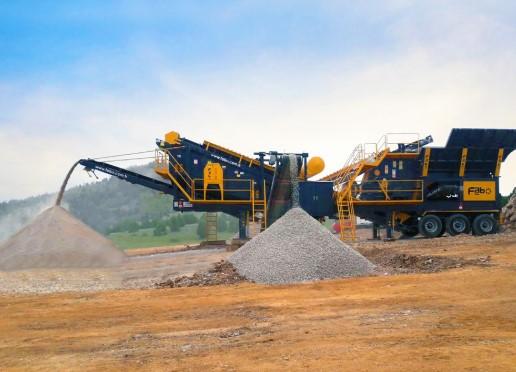
A Stone Crushing Machine can give a project a steadier pace, and a well-planned Stone Crushing Machine helps crews turn raw feed into manageable product without adding unnecessary delay. On busy sites, that kind of control affects everything from hauling distance to labor scheduling, and it often determines whether the work feels organized or constantly reactive.
The value of planning before the first load
Good production usually begins long before the machine starts running. Site managers need to think about feed characteristics, available space, stockpile placement, access roads, and the expected daily output. When these factors are considered early, the entire workflow becomes easier to manage. Trucks can enter and leave with less confusion, loaders can move more efficiently, and finished material can be stored in a way that supports later handling.
Planning also helps reduce unnecessary machine movement. If the working area is laid out carefully, the crew spends less time correcting poor positioning and more time focusing on production. This is especially important on projects where the material source changes, the work zone is limited, or the schedule leaves little room for repeated adjustments. A clear layout gives the site a stronger rhythm and helps every part of the process support the next one.
Keeping the feed steady
Output quality depends heavily on how material enters the system. When feed arrives in uneven bursts, the operation has to keep recovering from those changes, and that often creates inconsistent results. A steady supply is easier on the equipment, easier on the operator, and easier on downstream screening or stockpiling. The more balanced the feed, the more predictable the production becomes.
Loader coordination is a major part of that balance. Operators who understand the pace of the line can introduce material more carefully and avoid sudden surges. Oversized pieces, mixed debris, or poorly sorted loads can all create delays if they are not managed before they enter the system. Small improvements at the loading stage often create large gains in efficiency later in the day, which is why experienced crews pay close attention to the flow from the very beginning.
Dmcrushers and practical site layout
Dmcrushers is often associated with practical equipment thinking, and that matters because real job sites rarely stay ideal for long. Dust, vibration, limited turning space, and changing material conditions all influence how the operation performs. A layout that is easy to understand and simple to monitor can reduce stress on the crew while helping the machine maintain a stable rhythm throughout the shift.
Flexibility is another advantage in the field. Some projects need a compact arrangement, while others require more room for stockpiles or a different order of processing. If the equipment can be organized around the site instead of forcing the site to adapt to a rigid setup, the team gains more control over time and labor. That kind of adaptability is useful on demolition jobs, quarry work, and recycling projects where the material stream can shift quickly.
Maintenance that protects output
Reliable performance depends on routine care. Wear surfaces, lubrication points, fasteners, and inspection zones all need attention if the machine is going to stay productive over the long term. Preventive maintenance is not only about avoiding failures; it is also about protecting consistency. When a unit stays clean and properly serviced, it is easier to monitor, easier to trust, and easier to keep running at a stable pace.
Maintenance habits also affect cost. A system that is cared for regularly usually wastes less fuel, experiences fewer surprise breakdowns, and creates less pressure on the repair budget. Those savings may not be obvious on the first day, but they become important over weeks and months of operation. Crews that treat maintenance as part of production usually see better results than crews that wait for problems to appear.
Choosing a setup for long-term results
Every project has its own demands, so the right arrangement should always match the real job rather than a general idea of what might work. Some sites need high throughput, while others care more about product shape or the ability to move quickly from one location to another. The best choice is the one that fits the material, the schedule, and the people operating the equipment.
It also helps to think beyond the immediate task. What happens to the material after it leaves the system? How much handling will be needed later? How often will the crew need to adjust the workflow? These questions can reveal whether a setup is truly practical or only looks efficient at first glance. When the operation is planned around the full cycle, the result is usually smoother and more profitable.For model details and product options, visit https://www.dmcrushers.com/product.
 English
 Arabic
 French
 Spanish
 Portuguese
 Deutsch
 Turkish
 Dutch
Dutch
 Italiano
 Russian
 Romaian
 Portuguese (Brazil)
 Greek
Greek